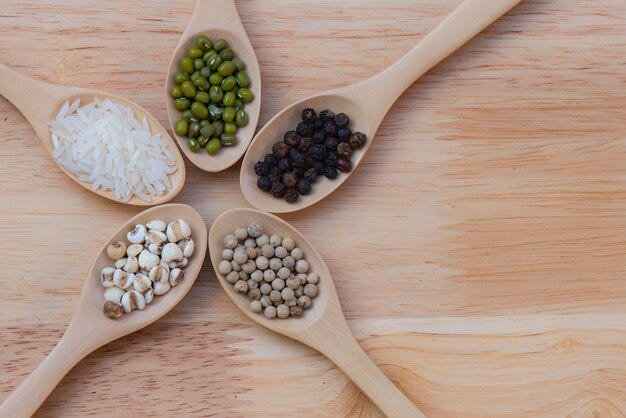
Recently, plant-based proteins have taken the spotlight as more people prioritize health and sustainability in their diets. Popular choices include pea protein and rice protein, which provide unique advantages for fitness enthusiasts, vegans, and anyone wanting to add more plant-based options to their diet. Let’s explore the differences, benefits, and how a combination of rice and pea protein could be the ultimate solution for your nutritional needs.
Pea protein, derived from yellow split peas, is exceptionally hypoallergenic and easily digestible. It is rich in essential amino acids, especially branched-chain amino acids (BCAAs), crucial for muscle growth and repair. Pea protein is an excellent choice for those with dietary restrictions since it’s free from common allergens like dairy, soy, and gluten.
Benefits of Pea Protein:
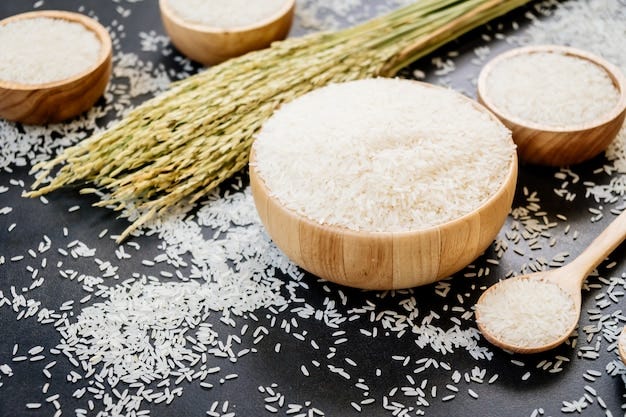
Rice protein, predominantly sourced from brown rice, is poised to become an even more sought-after plant-based protein option. Although it currently lacks one essential amino acid — lysine — it is expected to continue excelling in providing cysteine and methionine, both key for promoting healthy skin, hair, and nails. Its gluten-free characteristics also position it well to meet the growing demand from individuals with celiac disease or gluten intolerance. As awareness and interest in plant-based diets continue to soar, we anticipate rice protein taking centre stage in nutrition and wellness discussions.
Benefits of Rice Protein:

The real magic happens when you combine rice and pea protein. When combined, they form an unstoppable powerhouse of nutrition — a complete protein that provides all nine essential amino acids in an ideal balance! It’s like energizing your body with a delicious and dynamic duo that significantly boosts your health in every way! This makes the combination ideal for vegetarians, vegans, and anyone seeking a plant-based alternative to animal proteins like whey or casein.
Why Combine Them?